
Presidency of Warren G. Harding
Harding came into office wanting to take the country back to normal by reversing the progressive policies of the Wilson administration. He wasn’t a guy who cared about what was morally 100% right and morally wrong; he was a traditional old-fashioned Republican who supported big business. This was a sharp turn from the era of progressivism, but it was a turn that was wholly appropriate for the time. With the Bolshevik revolution and the first Red Scare underway, Americans were skeptical of labor unions, while many felt that big business had been cleaned up by Wilson and Roosevelt. As a result, labor union membership declined significantly during this period. This did not mean that things were bad for workers, however; wages were the highest they had ever been, conditions in the work environment were the best they had ever been, and the quality of the products that were being made were the best they had ever been. Essentially, life was good. People felt the progressives had done enough; it was time to take a break from that turbulent experiment.
Domestically, Harding cut taxes, raised tariffs, and eliminated business regulations; in foreign affairs, Harding largely sought to focus on America and scaled back the military significantly. Harding also signed the Federal Aid Highway Act into law, which set in motion the creation of the highway system by investing $75 billion into highway development and providing guidelines for how highways should be built. As the 1920’s progressed, radio became widespread, cars became widespread, eugenics became popular, and aviation was taking off. However, Harding would die of a heart attack just two years into his term, leading his Vice President Calvin Coolidge to take the office, before Coolidge would win reelection in 1924.
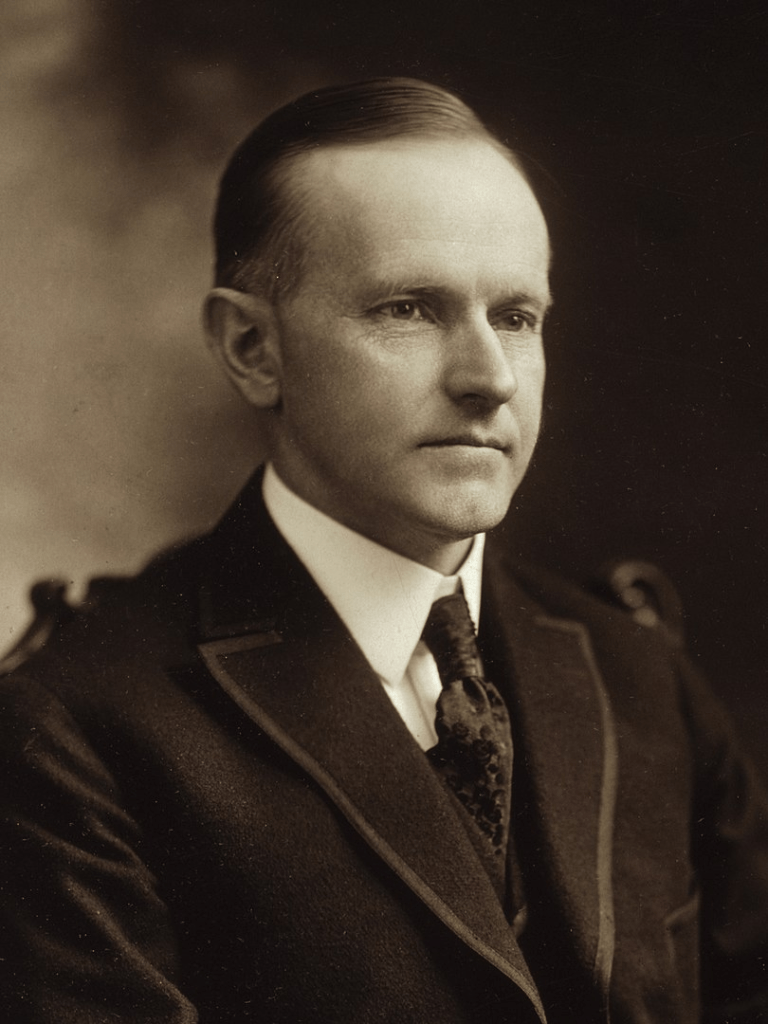
Presidency of Calvin Coolidge
Coolidge largely continued Harding’s policies of tax cuts, high tariffs, deregulation, and demilitarization. As a result of this, companies began to reform monopolies, although they kept the workplace standards that Wilson and Roosevelt had established. The argument was, if everyone was under the same company and there was no competition, then that company could do everything possible to promote the public good and continue supporting that industry. Coolidge’s most significant piece of legislation was the Immigration Act of 1924, which capped immigration at 165,000 per year and established the National Origins Formula; basically, if 30% of Americans were Germans, then 30% of all immigrants into the country would be German, effectively, the goal being to ensure that America had the same demographics going forward.
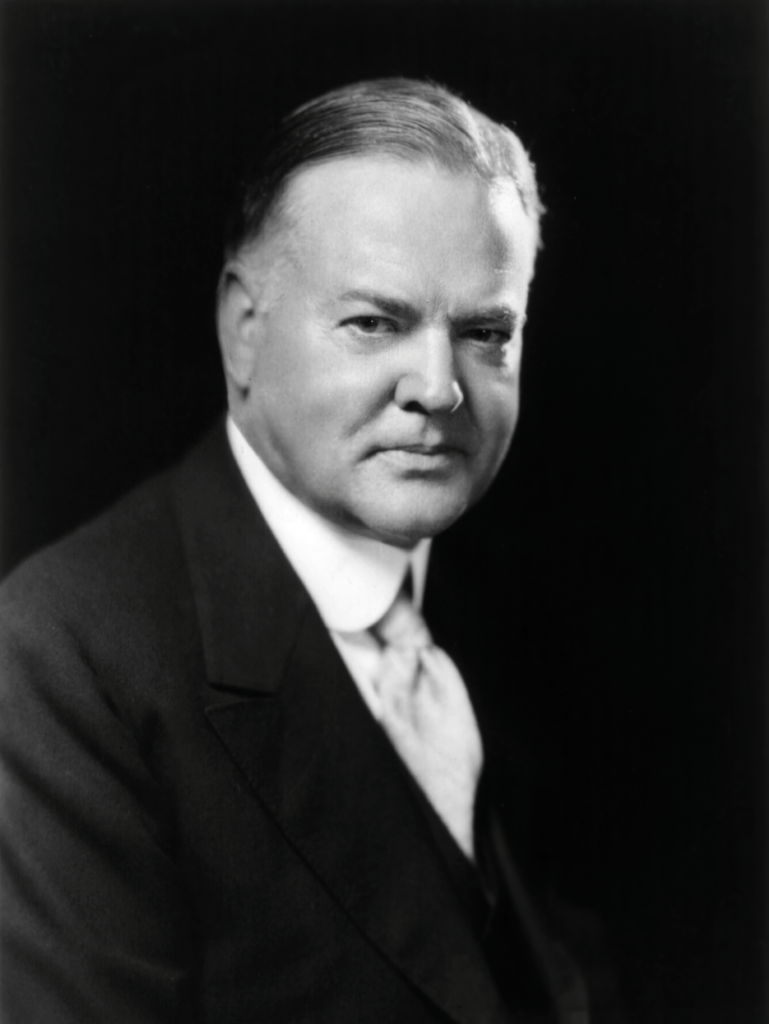
Herbert Hoover Biography
Coolidge’s successor would be Herbert Hoover, who, although he was a Republican, had served in the Wilson administration and wanted to enact new progressive policies. Hoover had served as Secretary of Commerce during the Harding and Coolidge administrations, where he frequently clashed with other pro-deregulation Cabinet officials. This led to significant conflict with members of the GOP establishment, particularly President Coolidge himself. In the 1928 presidential election, Hoover earned the support of both the progressives, who admired his efforts in the Harding and Coolidge administrations, and more establishment Republicans, who trusted him to not go too radical, since he was a businessman and civil engineer himself. Hoover had an idealistic vision: labor, business, and government all working together for America’s best benefit, and he could experiment with this vision, with the economy on the rise.
Unfortunately for him, however, the economy would collapse, and America would soon undergo its’ next great change.
 History Explained
Leave a comment